
“Your Sprinklers Are Too Old”—But What Does That Actually Mean? Your annual fire sprinkler inspection…

Benefits of Having a Commercial Fire Sprinkler System
A commercial fire sprinkler system does more than satisfy a building requirement. It provides automatic protection that can control a fire during the critical first minutes—before the fire department arrives and before a small incident becomes a major property loss.
For commercial property owners and managers, that protection can mean safer evacuation conditions, less damage, shorter business interruptions, and a better chance of keeping the building operational after a fire.
However, those benefits depend on more than simply having sprinkler piping above the ceiling. The system must be properly designed for the building, kept in service, and supported through ongoing inspection, testing, maintenance, and repair.
How Does a Commercial Fire Sprinkler System Work?
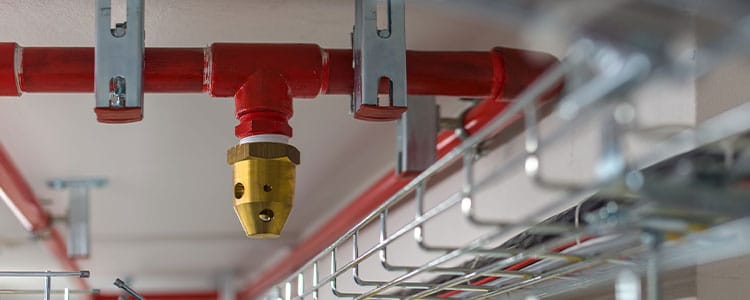
Automatic fire sprinklers respond to heat. When a fire raises the temperature around a sprinkler to its operating point, the heat-sensitive element releases and allows water to discharge over the affected area.
Sprinklers normally operate individually. A fire does not automatically activate every sprinkler in the building. In most incidents, only the sprinkler or sprinklers exposed to sufficient heat operate.
This targeted response helps control the fire near its point of origin while limiting unnecessary water discharge in unaffected areas.
The sprinkler system does not replace the fire department, fire alarm system, evacuation plan, or other life-safety measures. Instead, these systems work together:
- Fire sprinklers apply water to control or suppress the fire.
- Fire alarms warn occupants and support evacuation.
- Monitoring systems can transmit alarm signals to the appropriate receiving station.
- The fire department responds, confirms conditions, and completes extinguishment.
1. Fire Sprinklers Help Protect Building Occupants
A fire can grow quickly, producing heat and smoke that make evacuation more difficult. By applying water early, an operating sprinkler can slow fire growth and help prevent flames from spreading into additional areas.
This can provide occupants with better conditions and more time to reach an exit. It can also reduce the severity of the conditions firefighters encounter when they arrive.
For offices, warehouses, manufacturing facilities, schools, healthcare properties, and other occupied commercial buildings, that early intervention is one of the most important benefits a sprinkler system provides.
Sprinklers are not a guarantee that no injury will occur. They are one part of a complete fire-protection strategy that should also include clear exits, working alarms, emergency planning, employee training, and proper building maintenance.
2. Fire Sprinklers Can Limit Property Damage
A fire that remains uncontrolled can spread beyond the room or area where it started. The resulting damage may affect the building structure, inventory, equipment, utilities, tenant spaces, and surrounding operations.
An automatic sprinkler system responds without waiting for someone to discover the fire, locate an extinguisher, or call the fire department. That immediate response can keep a manageable fire from becoming a catastrophic loss.
Although an operating sprinkler releases water, the resulting water damage is generally far more limited than the combined fire, smoke, heat, and firefighting damage that may occur after a fire has spread.
Effective protection is especially valuable in facilities containing:
- Expensive machinery or production equipment
- Inventory and stored materials
- Computer systems and business records
- Tenant improvements
- High-value products or raw materials
- Critical building operations
3. Fire Sprinklers Support Business Continuity
The financial impact of a commercial fire extends far beyond repairing the damaged portion of a building.
A serious fire can interrupt production, displace tenants, prevent employees from working, delay customer orders, and create weeks or months of operational uncertainty. Even when insurance covers part of the physical loss, it may not restore damaged customer relationships or recover every lost opportunity.
By controlling a fire sooner, a sprinkler system can reduce the area affected and improve the likelihood that at least part of the facility can continue operating—or return to service sooner.
For property managers and owners of income-producing buildings, this also helps protect:
- Rental income
- Tenant retention
- Building value
- Production schedules
- Customer commitments
- The organization’s reputation
4. A Sprinkler System May Improve Insurance Risk
Insurance carriers evaluate many factors when determining coverage requirements and premiums. A properly installed and maintained sprinkler system may improve the building’s overall risk profile, but owners should not assume that installing sprinklers will automatically produce a specific discount.
Possible insurance considerations include:
- The type of sprinkler system installed
- The building’s occupancy and construction
- The available water supply
- Inspection and maintenance history
- Open sprinkler deficiencies
- Changes in storage, operations, or building use
- Fire pump and alarm-monitoring arrangements
Some carriers also require additional testing, such as an insurance main drain test, to evaluate the sprinkler system’s water supply.
Property owners should discuss potential savings and carrier-specific requirements directly with their insurance representative.
5. Fire Sprinkler Systems Provide Automatic, Around-the-Clock Protection
Fire extinguishers require someone to discover the fire, choose the correct extinguisher, and use it without placing themselves in danger. A commercial sprinkler system does not depend on an employee being present or attempting to fight the fire.
Once properly placed in service, the system remains ready to respond throughout the day, overnight, on weekends, and during holidays.
This automatic protection is particularly important for warehouses, industrial buildings, and other properties that may be unoccupied for extended periods.
6. Sprinkler Systems Can Adapt to Many Commercial Properties
Commercial sprinkler protection is not one-size-fits-all. The appropriate system depends on the building, water supply, occupancy, environmental conditions, storage arrangement, and hazards being protected.
Common water-based fire-protection systems include:
- Wet-pipe systems for areas where piping is not exposed to freezing
- Dry-pipe systems for loading docks, unheated warehouses, exterior canopies, and other areas subject to freezing
- Preaction systems for certain applications requiring additional safeguards against unintended water discharge
- Standpipe systems that provide hose connections for trained responders
- Fire pumps where the available water supply requires additional pressure
A qualified fire sprinkler contractor can evaluate the property and determine what type of protection is appropriate. Learn more about Valiant’s commercial fire sprinkler and fire pump services.
Having Sprinklers Is Only the Beginning
A sprinkler system provides valuable protection only when it is available and capable of operating as designed.
A closed control valve, damaged sprinkler, inadequate water supply, frozen pipe, alarm problem, corrosion, or unapproved change in storage can reduce the system’s effectiveness without being obvious to the building owner.
Regular inspection, testing, and maintenance help identify these conditions before an emergency exposes them. If you are responsible for an existing system, review why commercial fire sprinkler inspections are critical.
Depending on the system and its components, ongoing requirements may also include:
- Periodic valve, gauge, alarm, and waterflow testing
- Main drain and water-supply evaluations
- Fire pump testing
- Internal pipe examinations
- Obstruction investigations
- Deficiency repairs
- Testing or replacement of aging sprinklers
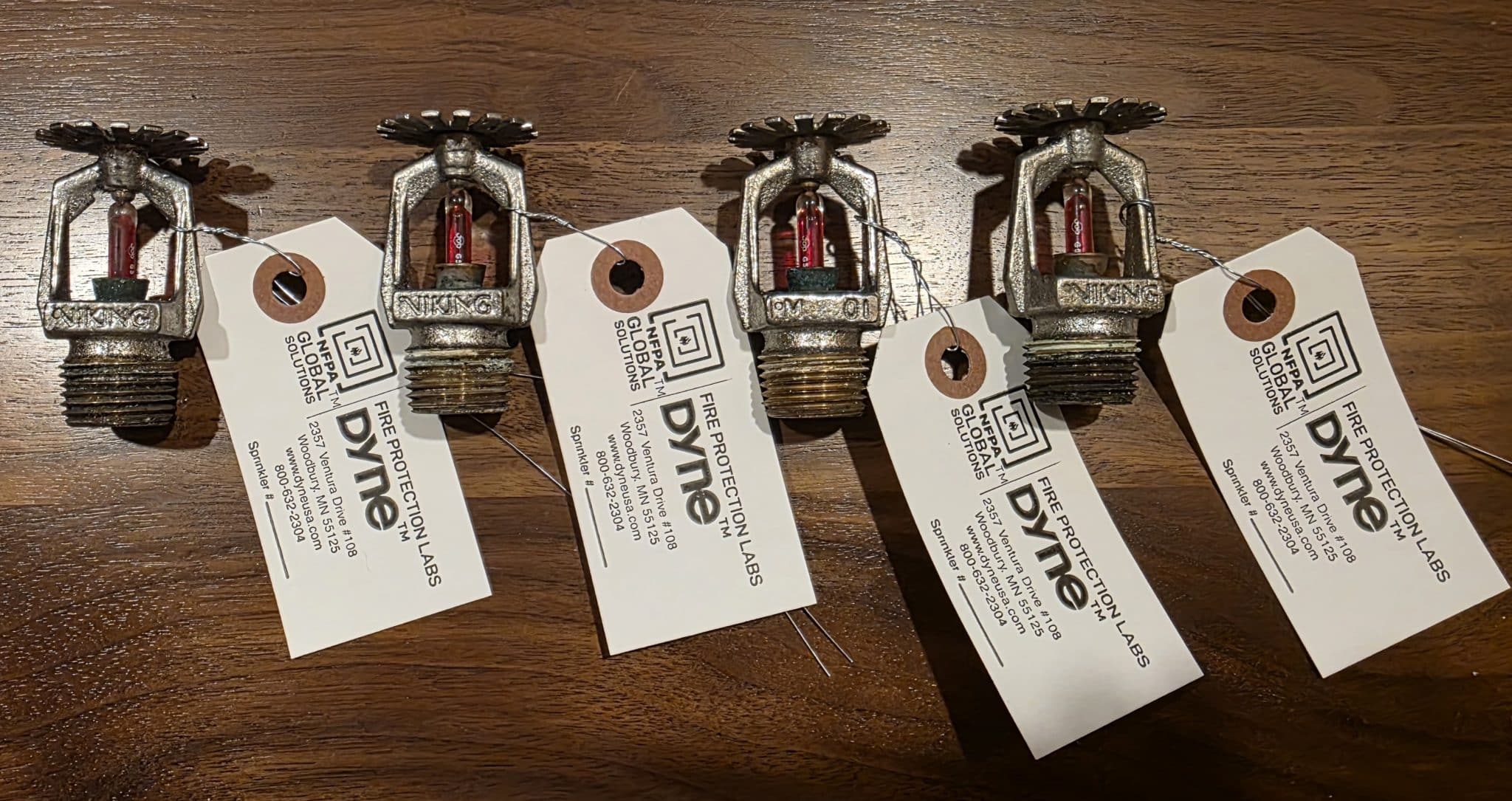
Older systems may eventually require fire sprinkler sample testing to determine whether representative sprinklers can continue operating as intended.
When Should a Commercial Sprinkler System Be Evaluated?
Building owners and property managers should request a professional evaluation when:
- A building does not currently have sprinkler protection
- The property is being expanded or renovated
- The occupancy or use of an area is changing
- Storage height or stored materials have changed
- A tenant adds walls, ceilings, equipment, or shelving
- An inspection identifies unresolved deficiencies
- The system’s inspection or maintenance history is incomplete
- The insurance carrier or fire official requests additional information
- The existing system may not match the building’s current hazards
A building change that appears minor from an operational standpoint can affect sprinkler coverage or system demand. Reviewing those changes early is easier than correcting them after an inspection failure, insurance concern, or emergency.
Protect the Building—and the Business Inside It
The greatest benefit of a commercial fire sprinkler system is its ability to respond when nobody else can. It can control a fire during its earliest stage, protect evacuation routes, limit property damage, and give the business a better chance of recovering quickly.
But reliable protection requires more than pipes and sprinkler heads. It requires appropriate design, professional installation, regular inspection, documented testing, timely repairs, and a contractor who understands the building over the long term.
Valiant Fire Company helps commercial property owners, property managers, and facility teams throughout Metro Detroit and Southeast Michigan maintain reliable water-based fire-protection systems.
Contact Valiant Fire Company to request a fire sprinkler inspection, discuss system deficiencies, or evaluate the protection needs of your commercial property.
Related Posts